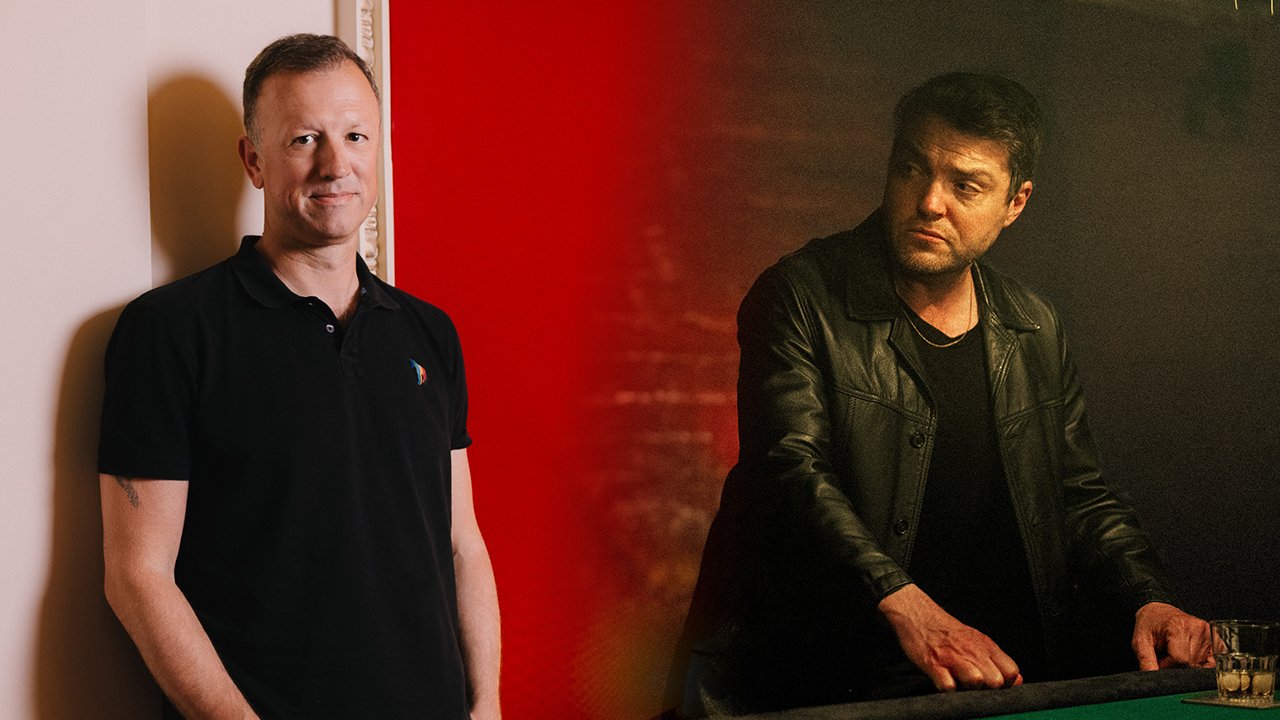
Creators Neil Forsyth and Tom Burke in Legends – Image Credit: Netflix
If you’re eagerly anticipating Netflix’s upcoming British crime drama Legends, you’re not alone. Inspired by the true story, the series promises to be a tense, deep dive into the dangerous world of covert operations in the 1990s.
For a full breakdown of what the series is about, you can check out our main preview covering the Netflix release date, cast, and plot. fables. But to give you a heads up ahead of its release on May 7, creator and writer Neil Forsyth and director Brady Hood have pulled back the curtain on the show’s incredible true origins, complex characters and lively, chaotic recreation of 1990s Britain.
Here’s everything the creative minds behind the series had to say.
Note: These quotes were provided courtesy of Netflix.
What exactly is a “legend”?
The title of the series is taken from The Secret World of Secret Work. As creator Neil Forsyth explains, “When you go undercover, you create a false identity, and that false identity is called your ‘legend.’ You’re either in the legend or you’re out of the legend, which sounds pretty simple, but as our characters discover, when those lines blur, things get very dangerous.”
The story begins in 1990, when Britain was on the brink of recession and battling a massive heroin epidemic. With Margaret Thatcher putting direct pressure on the Home Office to address the crisis, Her Majesty’s Customs had to get creative. He decided to infiltrate the gang from inside.
“Resources were very limited, so they had to be extremely inventive and creative,” says Forsyth. “For example, they would use seized vehicles and seized jewelery; working tirelessly in such a ‘boys own’ way to solve a great international problem. Motivated by the very worthy cause of stopping the arrival of heroin into the UK, they went the extra mile and made huge sacrifices.”
To adapt this vast, messy true story into a brief six-episode television series, Forsyth spent months interviewing the real people involved and combing through newspaper archives and court transcripts. “The more I heard, the more extraordinary the story became,” he shared. “When you’re writing something over six episodes, you look for complexity and surprises, and this story provides both.”
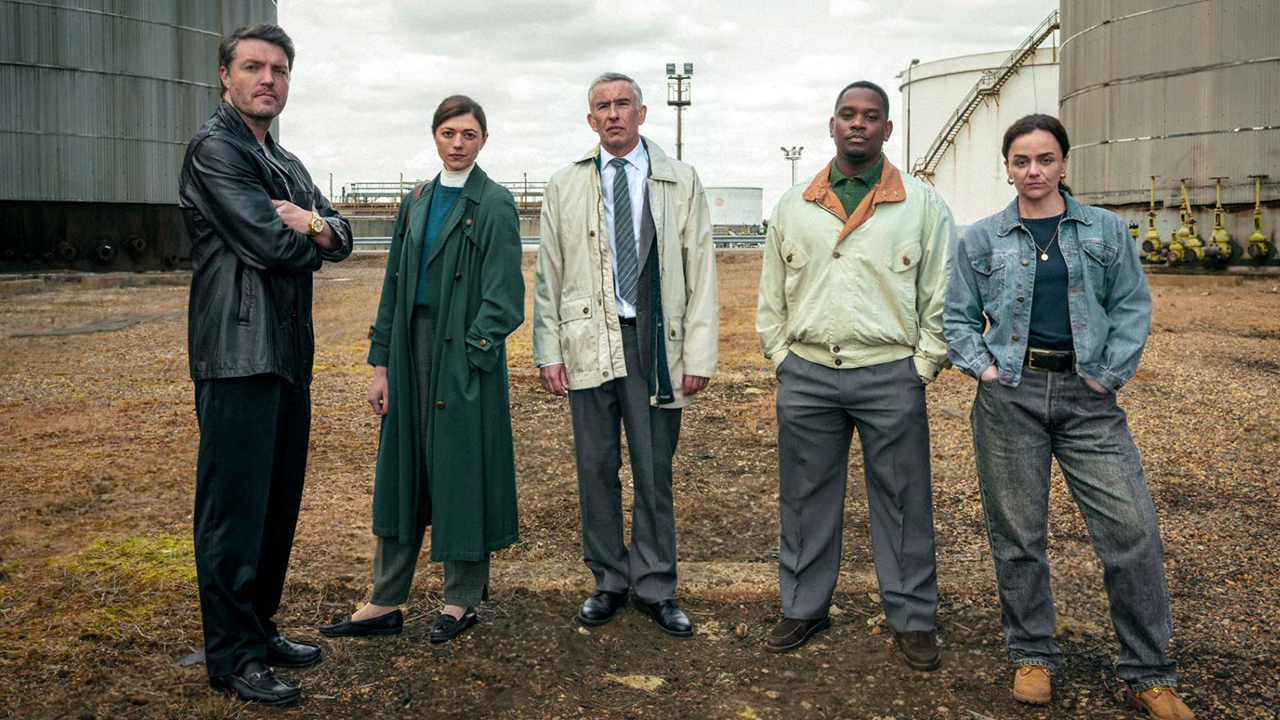
Image Credit: Netflix
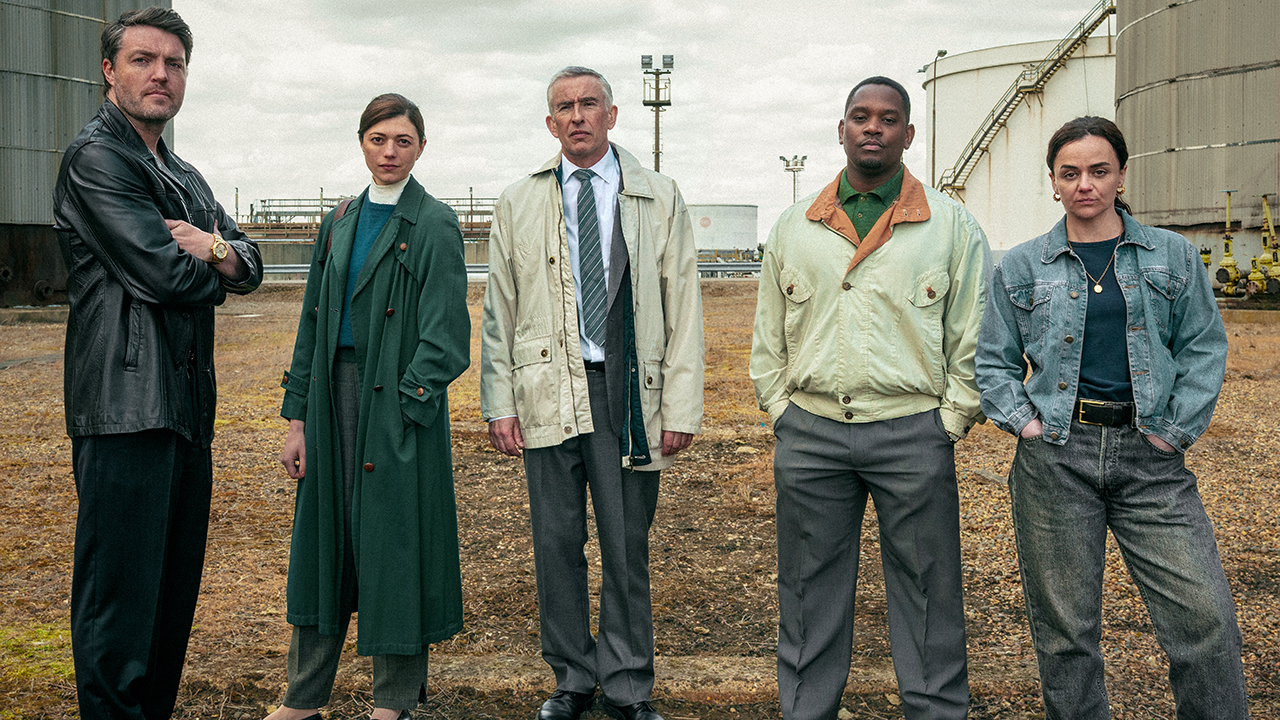
We recently reported how the veteran cast teased their roles, but Forsyth and Hood were both keen to praise their leading players, especially Tom Burke, who steps in for Guy Stanton.
When we first meet Guy, he is a highly competent but very bored conventional customs officer. Forsyth says, “Guy is an introspective character; kind of a natural loner, which ultimately helps cement him as a legend.” “He’s extremely physically capable… and he’s very smart and quick-witted, which is another important quality for this job.”
Director Brady Hood was struck by Burke’s layered performance, noting the danger of losing oneself in the character’s false identity. Hood comments, “What I found very interesting was the nuances and intricacies brought to the dialect and the physicality of switching between the real man and the legend.” “With the cow it always feels like he’s enjoying it a lot, but if he starts enjoying it too much, he can break what he already has.”
Surrounding Guy is a rich group of fellow undercover operatives, including Kate, played by Hayley Squires. Forsyth highlighted that Kate represents working-class officers who have witnessed first-hand the devastation of the drug trade, and said that Squire played the role perfectly with his “beautiful dry humor”.
On the other side of the law, the series refuses to rely on binary heroes and villains. Forsyth emphasized nuanced characterization, pointing to Mylonas as a longtime informant with one foot firmly planted in the criminal world. Hood highlighted Eddie, played by Johnny Harris, as an extraordinary person: “He’s an enforcer for Carter [the drug lord of the North]; his right hand; His pit-bull. “Eddie faces one of the strongest moral dilemmas on the show, which I think we’re really excited about.”
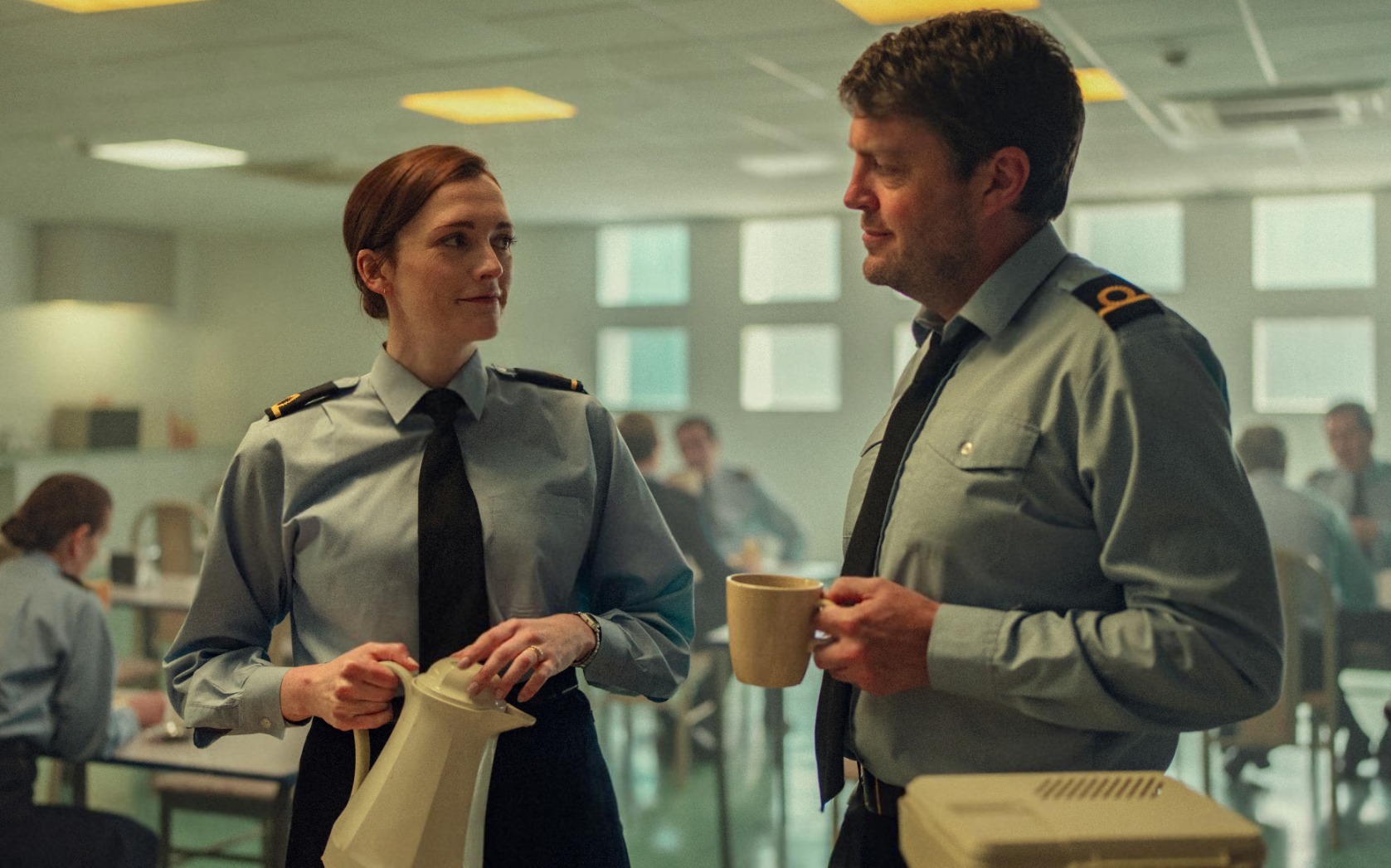
Image Credit: Netflix
Capturing the “ugly good” of 1990s Britain
When it came to its visual style fablesHood was determined to avoid the classic, sepia-toned nostalgia often applied to recent history. He wanted the audience to feel the urgency and danger of that moment.
“I didn’t want to look back at the ’90s through a sepia lens,” Hood explains. “What I remember about the ’90s was that it was vibrant and exciting; tracksuits and pills and dance music. I wanted to capture that euphoric nature… dresses that were almost ugly, but somehow cool.”
Hood describes the overall aesthetic as “cinematic naturalism”. The production relied almost exclusively on practical locations to enhance the realism of the show. “There’s something very powerful in the fact that the Bakers around the corner may have been a drug den in the back without us knowing,” says Hood. “It was all hidden within the world that we lived in and that’s what makes it more dangerous and more stressful. It’s right in the middle of town or right in the middle of town.”
To keep the tension at its peak, Hood and his director of photography kept the camera moving along with the characters. “We never had the camera in the room before they entered; it goes in with them, so we feel the tension of that moment when they’re stepping into the lion’s den, playing out their legends. The characters don’t get a break; when you’re infiltrating, you don’t get a chance to step back and slow down.”
At its core, Legends is about the dangerous pursuit of purpose. As Hood beautifully summarizes, “It’s a little unbelievable, that five customs officers, who had very few resources and little preparation, infiltrated one of the biggest drug gangs in Britain. I love that the five heroes who ship into this world are just like you and me. They’re ordinary people, thrown into extraordinary circumstances.”
Are you excited to watch Legends when it comes to Netflix? Let us know your thoughts in the comments below!