final sequence in titanic It’s all fun and games until you hear about a situation like the one in question, and people recall their most traumatic experiences escaping a life-threatening captive situation.
of netflix Shipwreck: Nightmare at Sea Details of the tragic disaster of the Costa Concordia cruise ship in 2012, told mainly by survivors 14 years later. If you thought the Poop Cruise was horrible but in a humorous way, nightmare at sea It’s no laughing matter. This will probably be your most intense horror movie experience all year. Despite being a well-constructed doc that immerses you in the nightmare that affected 4,000 passengers (3,200 passengers and 1,000 crew members), it is like many other Netflix-produced docs of the same ilk – insisting on having the subjects recount their trauma rather than looking at the bigger picture behind the incident.
Directed by Chiara Messinio, the documentary profiles several survivors – from passengers to crew – who were aboard the Italian-based Costa Concordia on their vacation off the coast of Civitavecchia, Italy. On the evening of January 13, 2012, the cruise liner veered off course in the dark Mediterranean Sea and struck a granite rock, leaving a 230-foot gash in her hull. Captain Francesco Schettino and some members of his bridge crew then gassed everyone on board, thereby denying any real issue and ordering the passengers to remain in their rooms, simultaneously reducing the seriousness of the Livorno coast guard to a fierce scuffle. Even when the ship listed and lost power (including emergency electrical power), he waited for over an hour before saying “abandon ship”. By then, the ship had capsized so badly that it became dangerously difficult to deploy the lifeboats, and passengers struggled to reach them. To make matters worse, Schettino abandoned ship via lifeboat while the passengers and crew were still stranded on board – a violation of maritime law. Which resulted in the tragic death of thirty-two people.
nightmare at sea What adds to its depth and horror is not only through its subjects’ remembered testimony and eyewitness accounts, but through how it’s all been assembled. In addition to the harrowing memories and descriptions of the surviving passengers, the documentary powerfully connects each detail to discovered black-box recordings, passenger video footage, maritime surveillance, and intercepted audio. The information that has come out is completely harmful. In particular in showing how the incident could have been prevented, or how the number of casualties could have been reduced, if the crew – and most importantly, the captain – had reacted accordingly when the ship capsized.
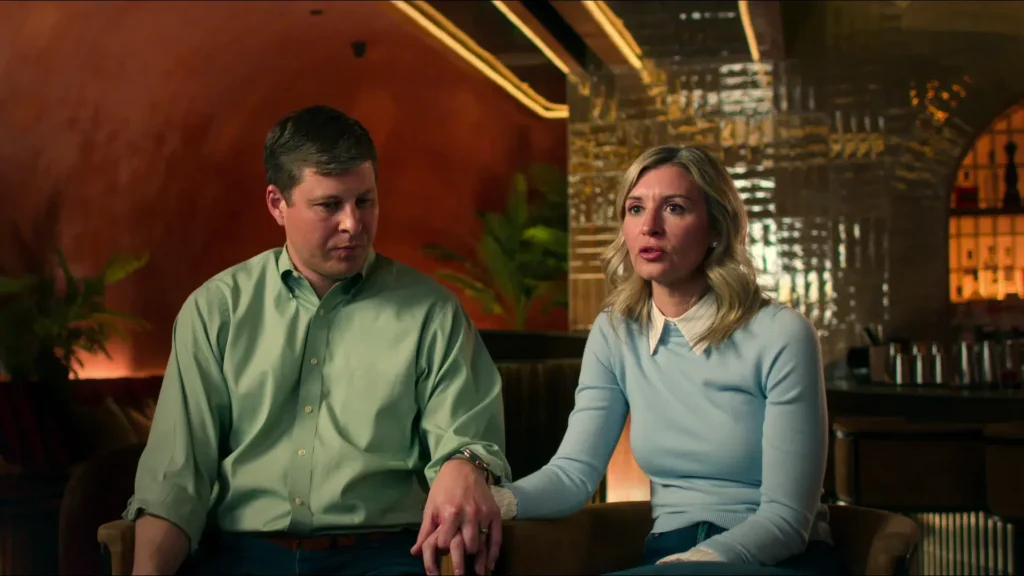
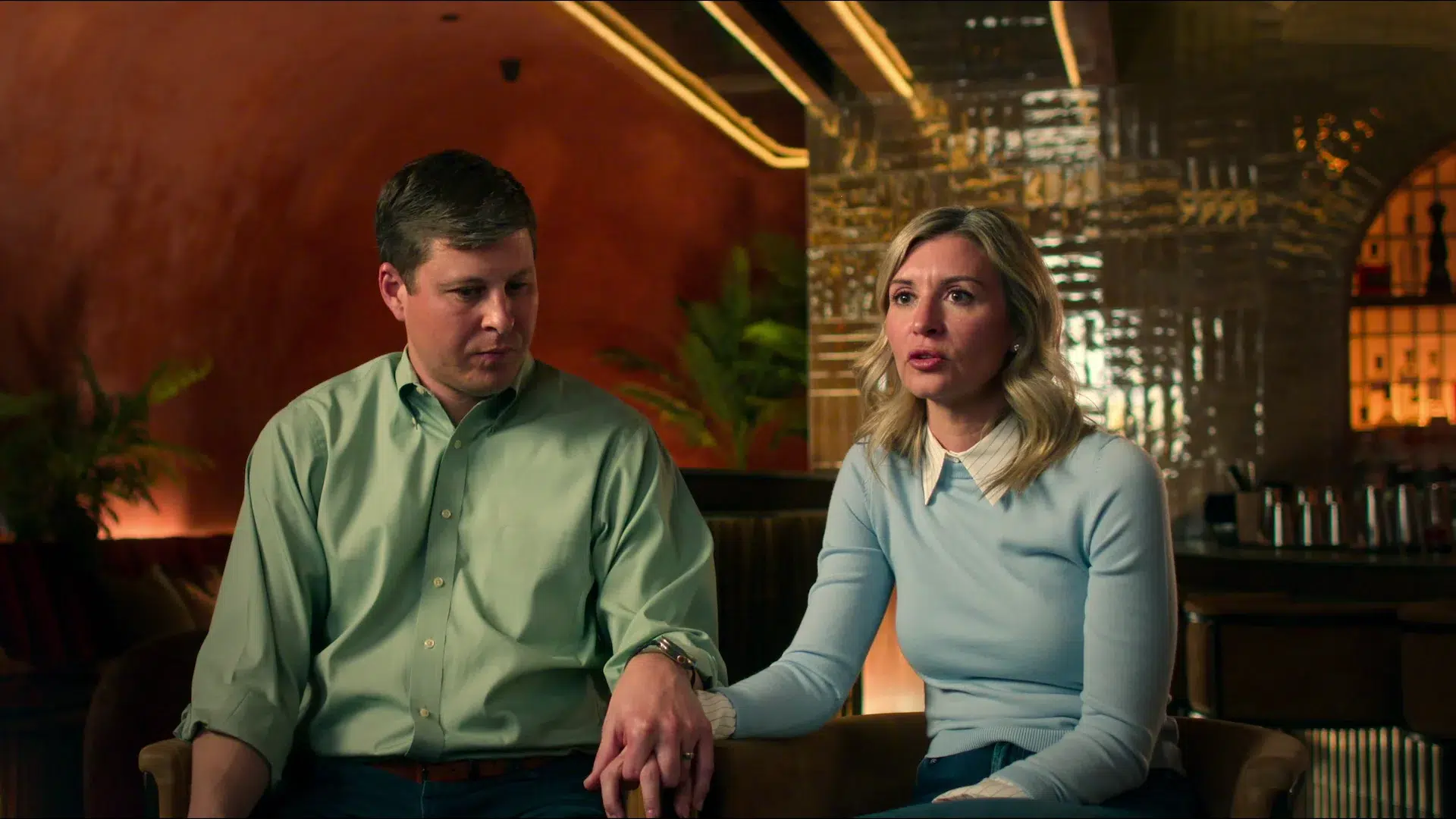
Some of the film’s subjects tell stories that are extremely disturbing and horrifying – such as that of Meghan and John Simon, a married couple who were passengers on the ship, struggling to escape with their 14-month-old infant and avoid broken furniture, a piece of which hit their child. Then there is Concordia hotel manager Manrico Giampedroni, who was stranded in the ship’s restaurant for nearly two days with a broken leg before being rescued. This is heartbreaking indescribably.
Like many Netflix documentaries, nightmare at sea Keeps you completely engaged, with every detail and associated archival recordings, making the weight and tension perfectly evident. In the latter, as some of the subjects have come ashore safely on the island of Giglio while others are stranded on the ship, the editing team (Simon Barker, Chris Dale and Charlie Webb) skillfully cuts between the two sides, allowing you to experience the tension of each moment simultaneously.
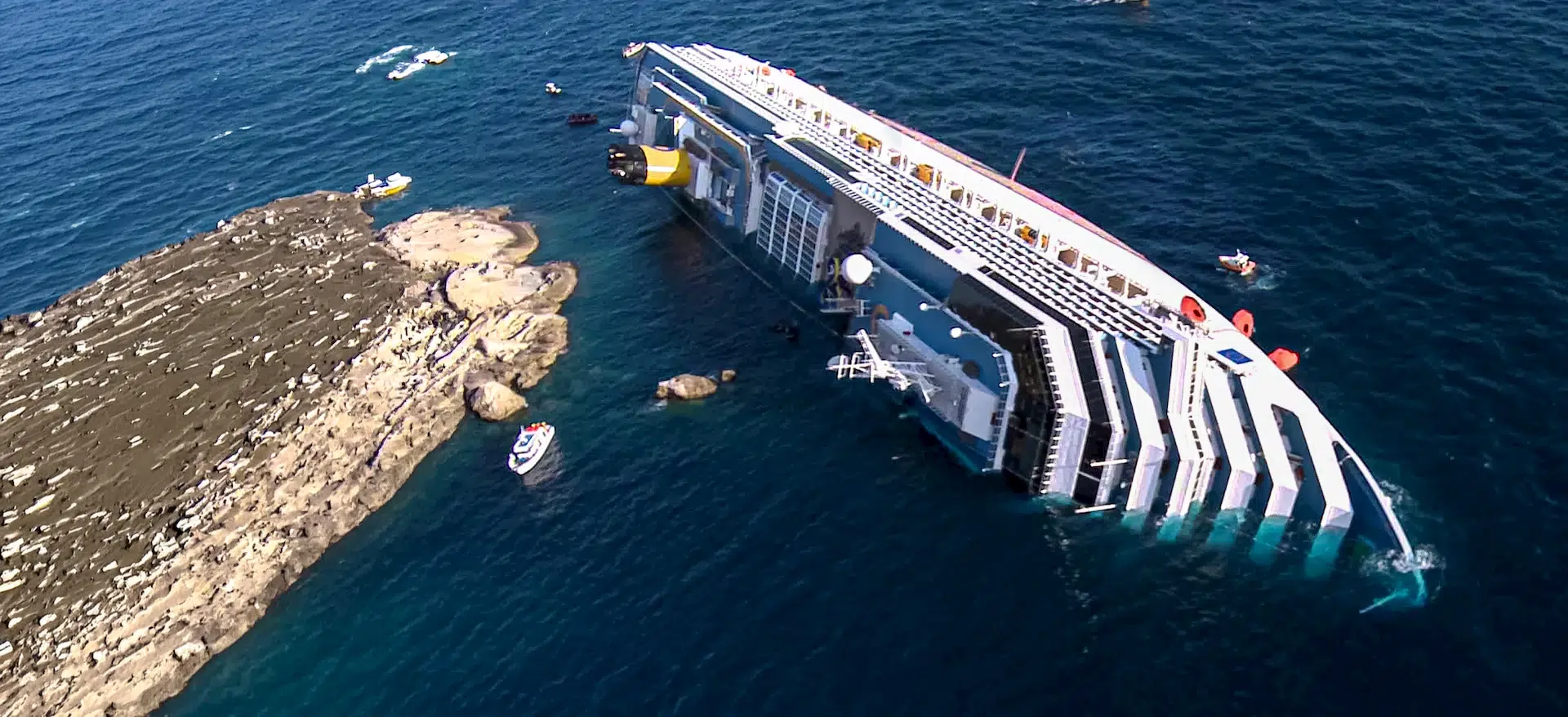
Image Credit: Netflix
As fascinating as it is, the document is only interested in retelling the story and recreating the events of the Costa disaster – essentially. Poop Cruise With a more grounded, serious tone. But it ignores any real, meaningful conversations with its subjects about how they navigated life after trauma, whether they took legal action, or any deeper consequences. By the time the doctor turns to tackle the source and cause of the disaster, there are barely 20 minutes left in its hour-long runtime. It moves through the trial of the now-jailed Schettino, leaving little room for the weight of what came later.
Yet, in its final moments, the document reveals how Costa Cruise Line’s business was rapidly declining, leading to the larger ones being acquired by an American company. In his impatience, he began hiring and promoting maritime workers with less training. All these details emerge in the final minutes – long after Schettino has been fully convicted. Meanwhile, then-Costa Cruises CEO Pier Luigi Foschi described the disaster, saying, “We believe it is a human error here.”
This does not mean that Schettino was not justly convicted – his own incompetence and cowardice (he was globally dubbed “Captain Coward”) are undisputed. But there is a larger systemic issue that has barely been explored outside of the text-on-screen description. The document also omits important details that would have further reinforced his negligence, Such as his affair with 25-year-old Moldovan dancer Domnica Semortonwith whom he had been having dinner shortly before the accident – and who had not even logged in as a passenger. other factors, Including his reputation among colleagues as a risk taker People who would “drive a bus like a Ferrari” have also been ignored. Even the full four-minute roasting of naval officer Gregorio De Falco – whose intercepted recording (found by a journalist in an open car, a crazy detail) shows him being ordered to return to the ship after abandoning it – is brief. The Doctor cuts off a stellar line of appropriate aggression: “Listen, Schettino, maybe you’ve saved yourself from the sea, but I’ll make you look very bad. I’ll make you pay for it. Get on board, damn it.” It also undermines how, during the same recording, it was already confirmed that there were casualties, which the captain failed to report.
It’s little details like that that make nightmare at sea Such a flawed document, coming off like a kid who completed his essay two days before the deadline. This is not to say that there are better deep-dives elsewhere on YouTube (Internet historian’s cost of concordia Very nice) or, I heard, Costa Concordia: why she sank There’s also strong – both strong choices that actually provide depth and don’t treat the disaster or its themes like cliff notes within a short summary. Despite my busy schedule, nightmare at sea You might want to investigate the situation further, it doesn’t seem possible to swim in it beyond the kiddie side of the pool. It doesn’t even reach the standard 90‑minute runtime, as if this is a Netflix requirement.
For a doctor caught in such a tragedy, nightmare at sea It fails to truly advocate for the people who came together to save the crew. There’s a moment when John Simon credits Faith for surviving and the producers interject, “John, she survived because of you.” It’s such a defining attraction, but it’s also a reminder of the resilience of the human condition. Yet, the film falls short of showcasing the cordial and heroic rescue efforts that defined the tragedy. After all, despite its harrowing details, nightmare at sea Doesn’t rise above “Netflix doc of the week” status. It is more fluid than solid, engaging in the moment but lacking enough depth to explore the tragedy arising from greed, incompetence and the courageous people who face its painful consequences.