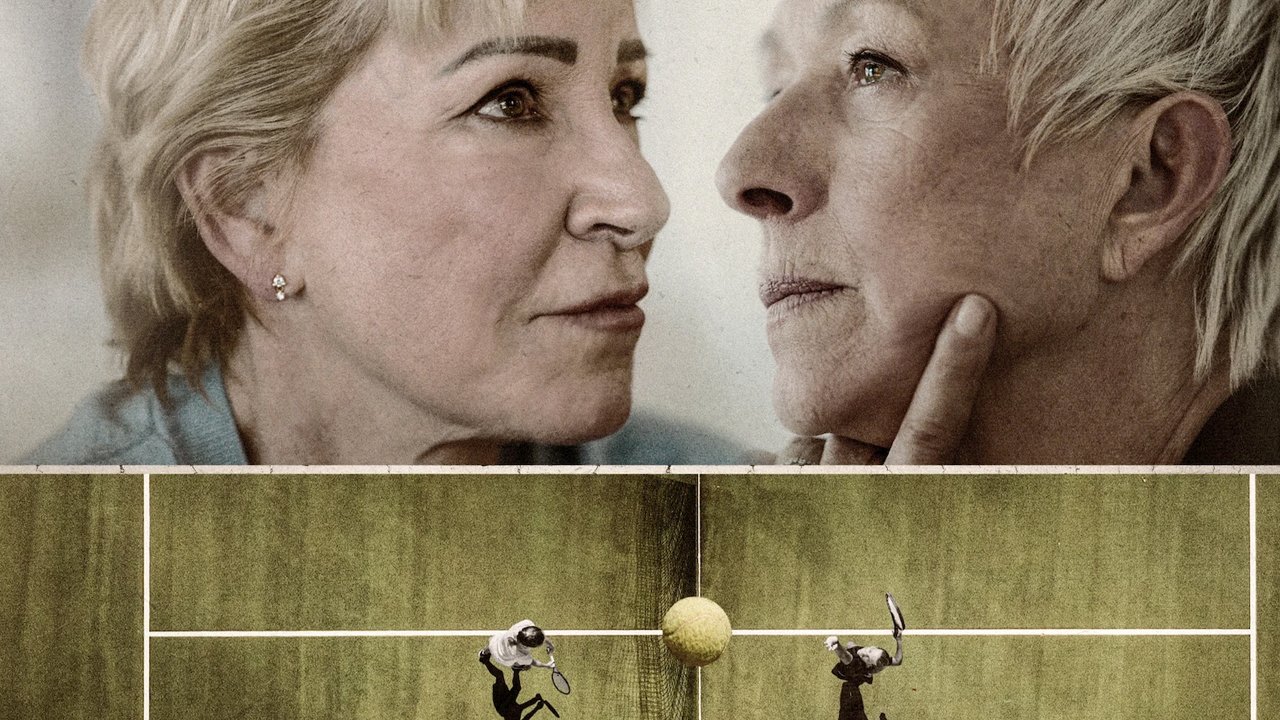
Before Shane and Ilya, there were Chris and Martina—usually! On the tennis court, the legends Chris Evert and Martina Navratilova had a rivalry that goes back a long way heated rivalryStars were also born. If you know your sports history, you know what an important role these two played in bringing visibility to women’s tennis and legitimizing the sport as a whole. Over 15 years and 80 matches in the 1970s and 80s, he made history as one of the two greatest players to ever pick up a racquet. Their rivalry laid the framework for future tennis players such as Serena and Venus Williams, Iga Swiatek and Naomi Osaka.
However, their relationship went through countless ups and downs before they became close friends. Rebecca Gitlitz’s documentary Chris and Martina: Final Set It effectively shows the evolution of both their careers and their friendship, as well as juxtaposes their fiercely competitive past with the difficulties they faced from concurrent cancer treatments – and a bond that has grown even deeper with age.
Chris and Martina: Final Set It’s as traditional as Netflix profile docs come – talking heads, archival footage, general structure. But what gives it the power shot is Rebecca Gitlitz’s insightful direction, in which Navratilova and Evert discuss their careers and go about their daily lives in an interconnected story. Other commentators—including sports writers and former players like Billie Jean King—provide insight into the tennis culture of their rivalry, but Chiefs tells his story in a way that never feels like anyone is talking. It’s personal, it’s authentic, and it’s worth noting that most of the other voices highlighting the background are women (John McEnroe is the only male lead I, as an individual, am talking about). I never have Fans, the thinking is clear). All of this adds depth to the reality of the professional women’s tennis landscape and how they are perceived from an outside and industry perspective. Her approach emphasizes the importance of the Doctor’s female-led narrative.
The highlight of the doc are Evert and Navratilova themselves – lively, candid and utterly compelling as they tell their story. Evert is the epitome of unwavering confidence, while Navratilova is more laid-back but still fiery. It makes for fun to watch and even more fun to listen to.
The film opens with Evert – as fearless and confident as ever – at her most vulnerable during a cancer screening. From there, she tells her story as an all-American girl, a tennis prodigy who entered her first Grand Slam in 1971 at the age of 16. Then there was Martina Navratilova: a talented player from then-communist Czechoslovakia who moved to America alone, without family or coaches. Navratilova spends her time recounting her harrowing journey – courageously sacrificing so much to pursue tennis, fleeing her home, being unable to visit or even see her family, and wandering around America without any real support system. One of the most soul-crushing images is of a young Navratilova hugging a pillar after winning her first professional WTA singles title in Orlando in 1974, because there was no one there to hug her.
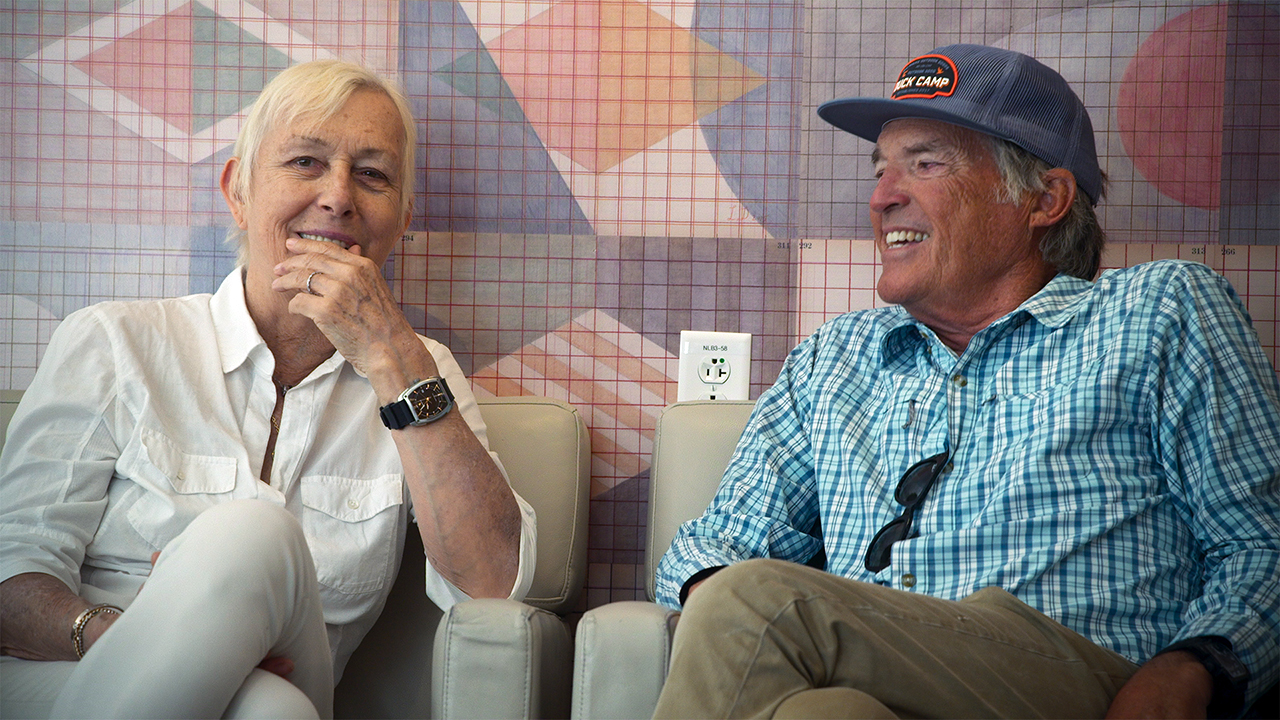
Chris and Martina: Final set. (Left to Right) Chris & Martina: Martina Navratilova and Andy Mills in The Final Set. Ten million. Courtesy of Netflix © 2026
Once their worlds collided, they became instant friends – at least for a short while. But the rivalry flared up when, after a short stint of playing doubles together, Evert eliminated Navratilova because she was learning her strategy too well and was determined to become #1. As they faced each other in tournaments, both competing for the top spot – Evert beat Navratilova, then Navratilova held on – they became increasingly indifferent to each other. But as audiences came to know her competitive story, more people turned their attention to not only women’s tennis, but tennis itself. Nevertheless, they could not live more rent-free in each other’s minds, constantly thinking about each other’s playing style and technique, learning their shortcomings from experience. Thus, each other’s thoughts inspire them to reach new athletic heights so that they can defeat each other the next time.
For both tennis fans and newcomers, you can feel the intensity of their rivalry through his passionate narration. Gitlitz’s truthful style elevates the details of each player’s career, told in an intense but honest manner. Watching the two contemplate their reactions in an intimate setting really fosters a grounded closeness. Both are open and introspective about the loss they faced in their childhood and how those experiences shaped their personalities, careers and most importantly, how they viewed each other. It is also strange that he remembers exactly what was lacking in the other’s playing style compared to his – at any point in his long career, like clockwork.
But their relationship on the court in the past couldn’t be more different from the one on the court in the present, as its timeline is shared with both parties facing concurrent cancers — Evert was diagnosed with ovarian cancer in 2021 and Navratilova was diagnosed with breast and throat cancer around 2023. Current footage of the doctor shows them both experiencing a great fear and coping with the pressure that can come with a diagnosis. Still, watching their loving chemistry in real time, constantly visiting each other and trying to be emotionally supportive of each other on their journey, is inherently gratifying and heartwarming.
However, sometimes, career disruption weighs down the weight of their shared cancer journey. The film spends most of its time on an educational tour of their past rather than humanizing their present. That being said, it makes you wonder: How did they manage to form a solid, lifelong bond that ultimately made them practically sisters? At what point, during the 50+ years in each other’s lives, did they begin to see each other as more than just competitors and obstacles? When it gets there, it all clicks and becomes a real, real tear-jerker.
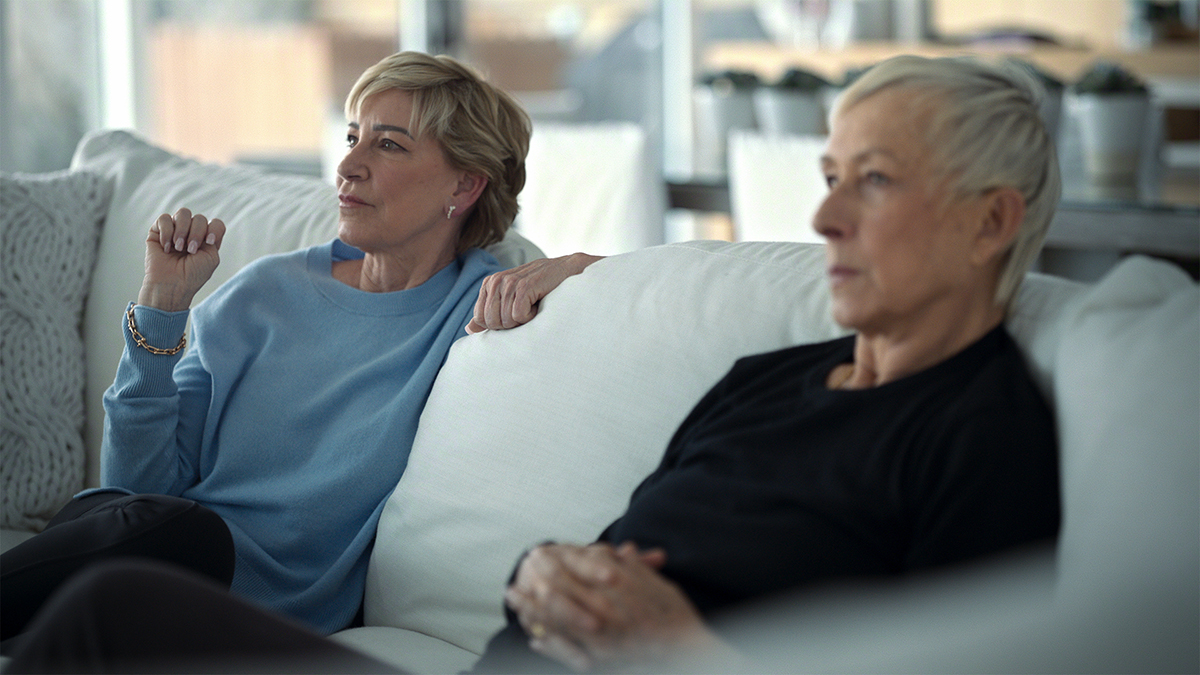
Chris and Martina: Final set. (Left to Right) Chris & Martina: Chris Evert and Martina Navratilova in The Final Set. Ten million. Courtesy of Netflix © 2026
There is considerable significance in the documentary, which is cleverly portrayed, particularly the relationship between women’s tennis and their professional rise, mediated by advisors and the press, affecting not only their relationship but also their self-esteem. There’s an interesting thread where they discuss the cruel double standards in American sports. Evert was once the face of America, with countless brand deals, talk show spots, and a rabid fan base — not just for her playing style, but because she fit society’s definition of beauty. Meanwhile, Navratilova – an immigrant with a more muscular body – was subject to constant tabloid scrutiny, with media outlets xenophobically highlighting her American lifestyle as if she were cosplaying, while essentially casting spells to eliminate her lesbian identity.
One of Gitlitz’s more amusing choices involves two friends sitting on the sofa together watching some of their old matches – none of which they have watched in over 40 years. His engagement with the footage is such a joy; They end up feeling the same excitement as the audience, even if they already know how it happens. His sense of humor is very endearing. At one point, while cheering for herself on screen, Evert remarks, “It’s very intense, even though we know who won.”
At its core, Chris and Martina: Final Set This is a complex and interesting story of friendship and the definition of good sportsmanship. Beyond the rivalry that shaped the entire game, they also had to deal with the intricacies of soul-searching and changing perspectives in order to rebuild their friendship. They persevered in their careers – and when life threw them the most dangerous challenge, they turned it not into another competition, but into an opportunity to be more present for each other than ever before. Although it’s a story about two best friends, it’s a sweet, triumphant portrait of eternal love that will have you cheering as if you were watching a tennis match.