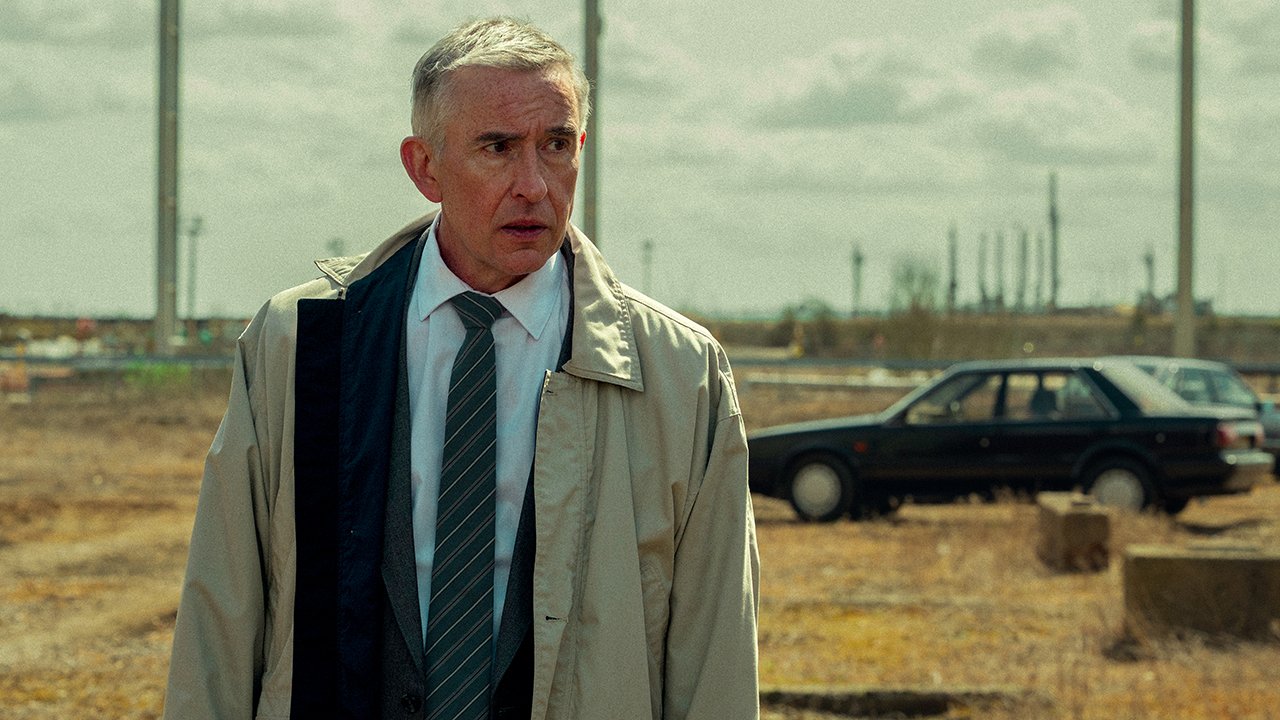
Fables. Steve Coogan as Don in Legends. Ten million. Courtesy of Sally Mace/Netflix © 2026
in netflix fablesA team of four customs officers are tasked with taking on new identities – their ‘Legends’ – and infiltrating the drug trade with the aim of stopping it at the source. The series is inspired by true events, but what is real and what is fictional?
Produced by Neil Forsyth (gold), a 6-episode series from Netflix fables It is based on the incredible true story of how a team of largely untrained customs officers were forced to temporarily abandon their lives, including their families and daily jobs, to go undercover and infiltrate the drug trade under the guise of false identities – known as their ‘Legends’. Set in the country’s drug hubs – London and Liverpool – the undercover team is led by Don (Steve Coogan), and consists of Guy ‘Stanton’ (Tom Burke), Kate (Hayley Squires), Bailey (Amal Amin) and Erin (Jasmine Blackborough).
The series describes itself as ‘inspired’ by true events. However, a prominent disclaimer has been added to the opening: “Some elements have been created for dramatic purposes and for the safety of those involved.”
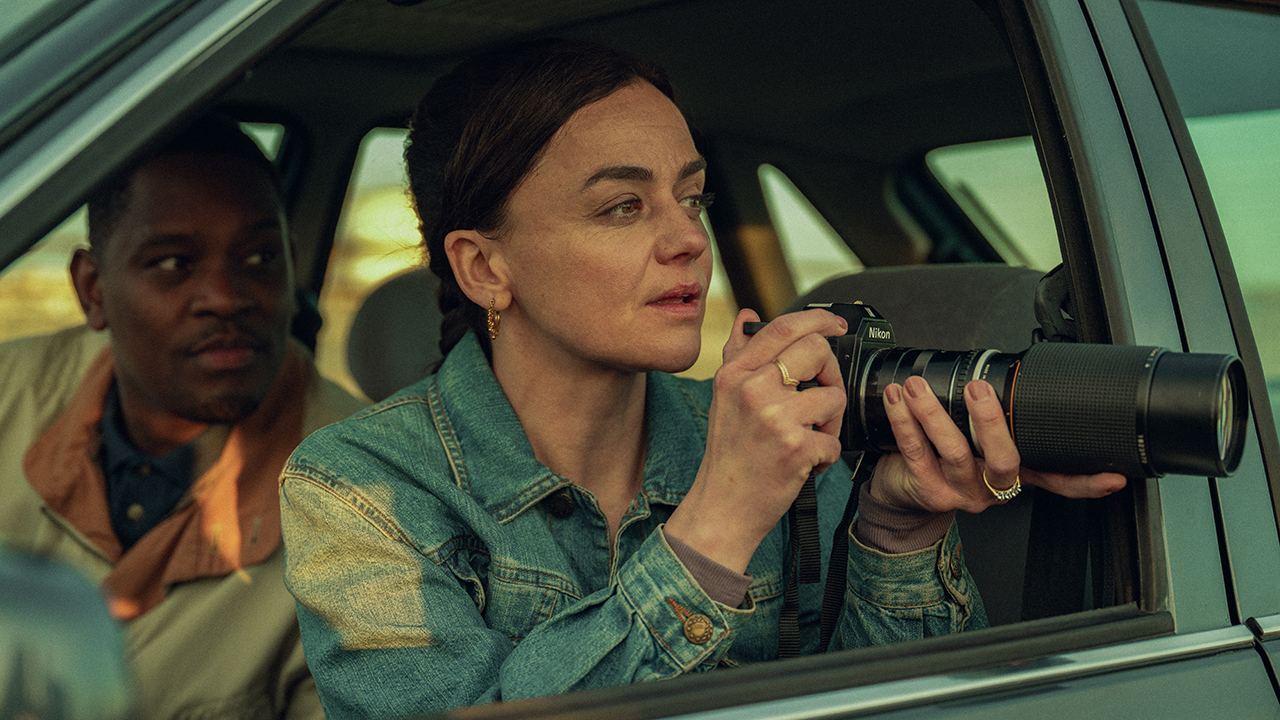
In the show’s epilogue, it offers some real-life context of the events that occurred: “In the 1990s, undercover investigators from Her Majesty’s Customs helped British law enforcement seize over twelve tons of heroin with a street value of over a billion pounds. They did so with a fraction of the training and resources of their international counterparts, and the public was largely unaware of their work.”
A brief history of the ‘war on drugs’ in England
In 1990s Britain, the country was falling into recession and drug use had become more prevalent than ever. It developed into an epidemic that the government targeted directly through proactive police measures and increased funding. The use of opioid medications increased significantly throughout the decade of the 1990s. By the late 1990s, A BBC report It turns out that heroin use in the UK peaked with around 350,000 users.
The term ‘War on Drugs’ was famously coined by former Prime Minister Margaret Thatcher, and it represented law enforcement becoming more intense following rising numbers of youth deaths. His fierce and determined approach to the issue put pressure on the Home Office to take proactive action to cut off the supply of heroin over the border. In 1990, Thatcher publicly addressed the drugs crisis amid rapidly rising cases, with citing a reference The point is that “our way of life is mortally threatened by drugs and the evils they bring: disease, corruption, violence, crime, tearing apart families and destroying young lives.”
Thatcher’s speeches on the drug war are scattered across Netflix fables; The series uses real-world footage to add additional weight and context to the scenes.
When were undercover customs officers sent to infiltrate the drug trade?
Top-secret ‘Legends’ operation – also known as Beta Projects – It began in the late 1980s/early 1990s at a time when UK Customs was fighting a losing battle against drug smuggling. This was not the first time that secret officers in Britain had been sent into the field; The first major use of undercover officers against drugs was operation julie In the mid-1970s, where he targeted LSD.
beta projects used youUniformed officer for undercover work. The entire operation was conducted with limited financial support, forcing the team to use ingenuity and invention to portray their actions. legend alter ego. In terms of equipment, he was given a few pieces to create his personality, including confiscated vehicles and jewellery.
Who was the real Guy Stanton?
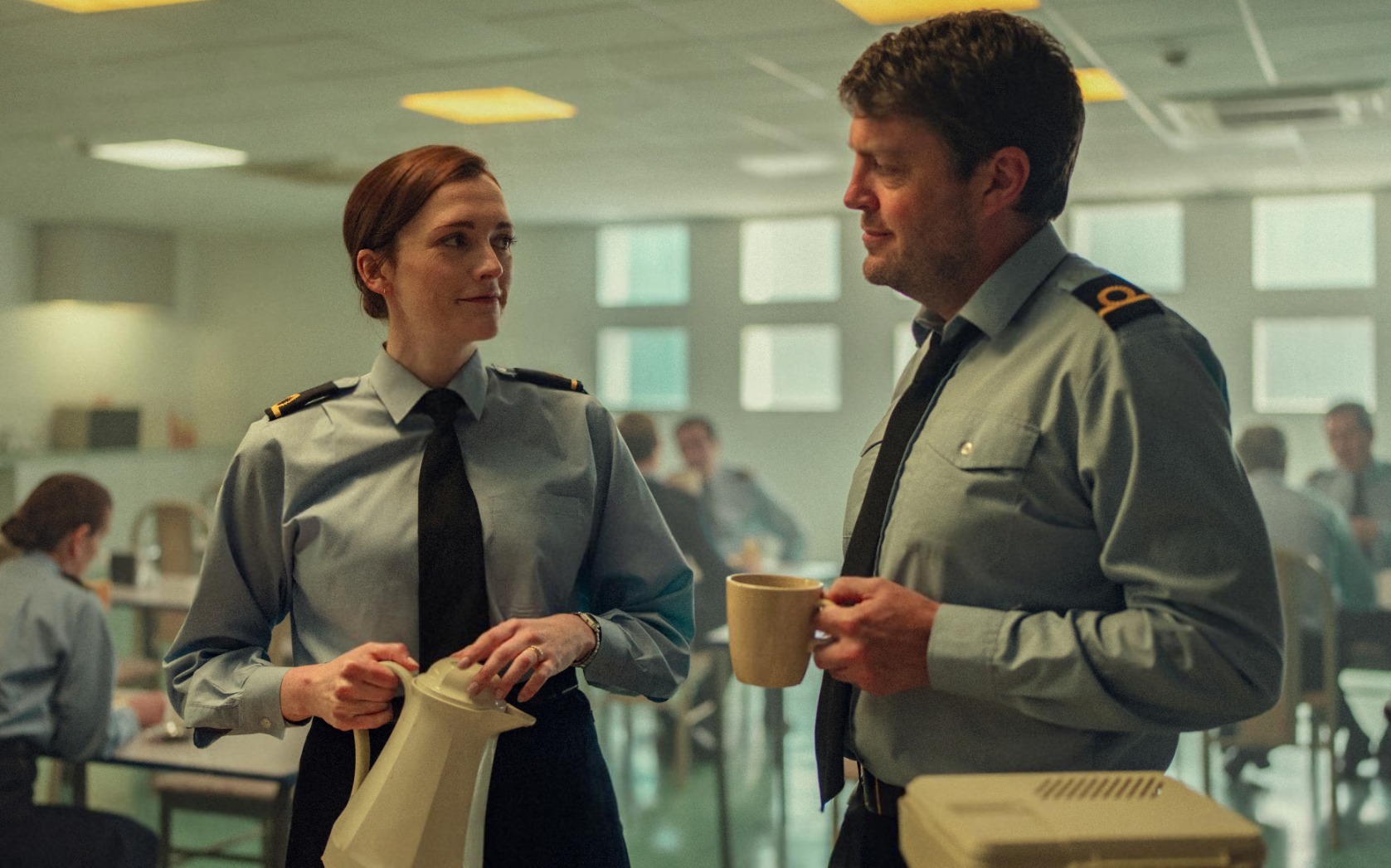
The show depicts four undercover officers. In real life, it’s hard to tell how many people there actually were because… well, they were secret. However, Guy Stanton’s biography notes that there were about a half-dozen undercover operatives in the area at any given time – far more than we see in the series.
Guy Stanton is the most widely publicized former undercover operative. In the show, Guy (played by Tom Burke) is portrayed as a London family man. He is physically imposing and street-smart, making him perfect for the job. He has a wife and daughter, and works in airport security. Unless he gets the opportunity to tackle a new job, he does not get much satisfaction from the job. When he pursues it, he discovers that the job is to take on a new identity, an entirely new life, and infiltrate the drug trade. Using onboarding techniques similar to those of the World Wars, this operation was introduced as a major service to the country.
Real Boy Stanton joined HM Customs at the age of 17 and worked hard to become an investigator in 1984. A secret outlaw, he was famous for wearing a Rolex watch (something that is echoed in the show). Serving in this position for over a decade, he is considered one of the most successful covert officers in his field. In particular, he was heavily involved in one of David Huq’s 1997 stings. Europe’s most successful drug smuggler and gangster. Haq was ultimately sentenced to 14 years for a £20 million cannabis conspiracy.
fables Producer Neil Forsyth explains his research process.
We’ve previously covered the full interview with creator Neil Forsyth, where he discusses his creative processes for the series in depth. As for how he researched the actual history of the ‘Legends’ operation, he admits that he took creative liberties to develop the story into a 6-episode series. For example, some elements are abbreviated, some characters are hybrids of their real-life counterparts, and so on.
“I needed to make it short and simple,” he said. “Otherwise it would be extremely complex and we would have too many characters. It’s about working out how to take the true story and how to manage it in the context of six episodes of television, because real life is so messy. So we researched, gathered everything that happened and everyone involved, and decided which characters to focus on. In some cases, these are a mix of real-life people, to give a real breadth of experience, while remaining true to the spirit of what happened and the key events. It is true that it happened.”
Sources/Further Reading
Below are some of the key sources we used in our research, as well as recommended reading for further exploration of real-life legends.
- Autobiography’The Betrayer: How an Undercover Unit Infiltrated the Global Drug Trade‘ was written by Guy Stanton and Peter Walsh. It describes the entire operation, as told from Guy Stanton’s point of view, explaining all the intricacies of the process. It’s essential reading for the complete, non-fiction history of beta projects.
- Drug Wise UK (Main documents for factual research)
fables Now streaming on Netflix.