Image Credits: TF and Netflix
At the 2025 Cannes Lions festival in 2025, Netflix took the opportunity to surprise media observers—French and others—by announcing a sweeping deal with major French broadcasting group TF1.
that deal has started It will come soon in June 2026.
Starting next month, French subscribers to Netflix will have access to content from TF1 Group’s free streaming platform, TF1+, at no additional cost. But it will go one step further by bringing all of its linear channels directly onto the platform, including:
- TF1
- TF1 Films Series
- TMC
- tfx
- LCI (News Channel)
This impending June rollout will become Netflix for the first time in its history Carrier of linear channels from a third party. (Previously, Netflix experimented with linear channels reviving their own content from 2020 to 2022. It was called Netflix Direct.) At first glance, this announcement may seem strange from an outsider’s perspective. But there are a number of reasons why this arrangement makes sense, both from Netflix’s perspective and from TF1’s perspective.
a melting relationship
When Netflix launched in France in 2014, its relations with the French content industry and major broadcasters like TF1 and Canal+ were very cautious, if not strained.
As it developed co-productions of French shows and films and its original productions, TF1 was the first to guarantee the first broadcast of its first series, (widely panned). marseille with gerard depardieu. Over the years, both groups have formed production partnerships, with premium projects such as the historical drama Le Bazaar de la Charite (2019) benefiting from a budget increase by Netflix in exchange for the show’s exclusive second-run and global availability as a Netflix Original.
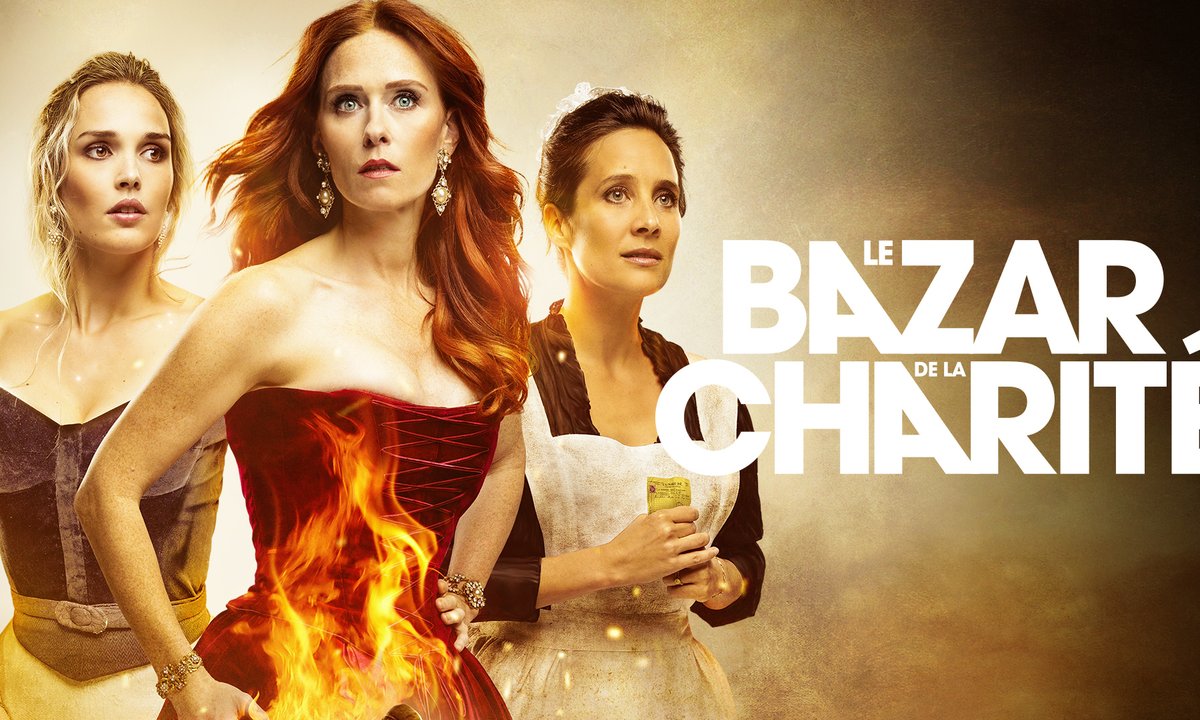
Le Bazaar de la Charite is one of the first major collaborations between Netflix and TF1.
TF1’s rocky streaming journey
The last few years have not been good for the TF1 group. Since it still collects viewership records for its main channel TF1, usually from larger entertainment formats such as sound or football games, as well as despite some hit scripted shows, it has faced some setbacks in the streaming business.
To offer a broader French-language catalogue, TF1 partnered with competitor M6 and public group France Télévisions to launch a streaming channel called Salto. Due to antitrust regulations, poor conditions, and poor business prospects, the initiative was shut down in 2023. The purpose of this service was to promote the proposed fusion between TF1 and M6 to create a private broadcasting giant with powerful advertising solutions to promote its channels’ programming. But following a scathing assessment from the French antitrust authority, both groups moved to abandon the project entirely, leaving their respective futures uncertain.
As longtime CEO of TF1 Group Gilles Pelisson replaced by rodolph bellmer In 2022, the latter made its mandate clear: to strengthen the group’s streaming presence and use it to boost its future and its net profits. Launching in January 2024 with a special first-run of the anticipated detective series poker faceTF1+ has committed to being a destination for the full range of French-language content, including greater access to French films that have historically been unavailable on replay services due to rights.
Testing the Waters with Co-Creation
The past year has seen closer collaboration between the two groups in the scripted field. Adaptation of a best-selling novel tout le bleu du ciel By melissa da costa It was co-produced by Netflix, which acquired the rights to stream it day-by-day along with its linear broadcast on TF1 and TF1+. Traditionally, co-productions with platforms are left a few weeks before the platform makes the program available to its clients.
But an even more unique co-production was launched only for French customers in the summer of 2025 fame-like show tout pour la lumièreEpisodes set on the French Riviera (and filmed on local soundstages there) were first available on Netflix, before being broadcast on TF1 a few days later. Netflix invested in an area—daily soap operas—that is the bastion of broadcast television; TF1 has had continued success with its own daily scripted shows. ici tout start For about 5 years now. Unfortunately, the show was canceled last time after both the partners failed to meet the targets set by them.

Why hand over the keys to Netflix this June?
So, where does this leave the two broadcasters, and why are they rushing to integrate it by June 2026?
This is in no small part due to the resume of the TF1+ landmark deal rodolph bellmer. Former head of Canal+ Group (the leading French pay-TV group), he has been on the board of directors of Netflix for 4 years, and has also served as President of Series Mania, a leading European program for scripted shows, where many of Netflix’s premieres and professional showcases have taken place over the years.
His reasoning for the impending June launch is transparent: TF1+ content is available on Netflix, as he shared financial Times“This will enable our premium content to reach unique audiences and open up new access for advertisers”.
As TF1 becomes fully involved in digital advertising and ad placement on its programs, advertisers purchasing campaigns on a TF1 Group program will have the added benefit of exposure to Netflix’s French customer base. The solution is seen as a bet on the future for Belmar, as the broadcast model, which supports expensive production values for its scripted shows and sports coverage, is under existential threat across Europe.
Building a Netflix “Entertainment Ecosystem”
But what about Netflix? One of the stated goals of the mutation over the past few years is to no longer be seen as a streaming content platform, but as an entertainment-based ecosystem. Like the mobile video game tab, having TF1 channels and programs on its app increases engagement among its French customers. Which also means additional revenue and more detailed customer data gained in the long run, even though the platform has declined to share additional details on the workings of the deal, such as shared advertising revenue between the two companies.
The logic is also very practical: even though Netflix claims a 12 million subscriber base in France (according to third-party sources), French viewers still overwhelmingly watch French-language content on TV or in theaters. Netflix’s international catalog may never be enough to meet such demand, thus the addition of TF1+ this June is a simple solution to a difficult offering problem.
rodolph bellmer Access to younger audiences is also highlighted through the Netflix deal, but TF1’s strategy for decades has been engaging multi-generational groups of viewers through programming that can be enjoyed by the whole family. Then again, for both, it may be about broadening the target audience for their services, as Netflix’s French lineup opens itself up to less genre programming and more comprehensive offerings.
A new blueprint for the global TV industry?
Questions remain up in the air, as TF1+ already aggregates third-party programming from other broadcasters such as Arte. But the impending June 2026 rollout signals an unexpected willingness on Netflix’s part to be open to broader local strategic partnerships, which would open up third-party channels to its ecosystem.
This is a new change, not only as a typical creator and distributor of its content, but also as an OTT carrier on a case-by-case basis. It’s a deal that will go live in just a few weeks, but could open up new vistas for the global TV industry for years to come.