FIFA is an organization that has spent years overcoming its embarrassments. The transparency with which football’s governing body has been a willing participant in dictatorial countries’ sports-cheating campaigns, harassed sports fans for money, and tried to kiss up to the Trump administration has left a sour taste in the mouth of fans around the world. Meanwhile, FIFA arrogantly clings to the appearance of a beloved organization working hard for those who watch and play the game. Somehow, all of FIFA’s arrogance, disregard for the game and focus on brand partnerships is portrayed in their football simulator released through Netflix.
The journey leading up to FIFA World Cup: Launch Edition is full of self-sabotage. In the video game industry, the FIFA name was associated with EA Sports’ annual offering, which dominated the sports simulator industry and topped sales charts for all consoles on a regular basis. EA’s somewhat light-hearted gambling practices and incremental annual changes to the games meant that they were not always seen as prestigious, but they landed on a formula and a marketing approach that attracted audiences and provided enough variety for different types of players.
However, in 2023, EA announced They were moving away from the FIFA branding because the governing body reportedly charges $1 billion every four years for licensing its name. In response, FIFA promised its own football simulator, which would rival EA FC NOW.
FIFA World Cup: Launch Edition EA FC is competitive in the same way that the sandwich I made from leftovers in my fridge is McDonald’s competitive. Not only does the game lack the quality of a AAA game, it also lacks the fun feeling of a video game that can attract casual audiences.
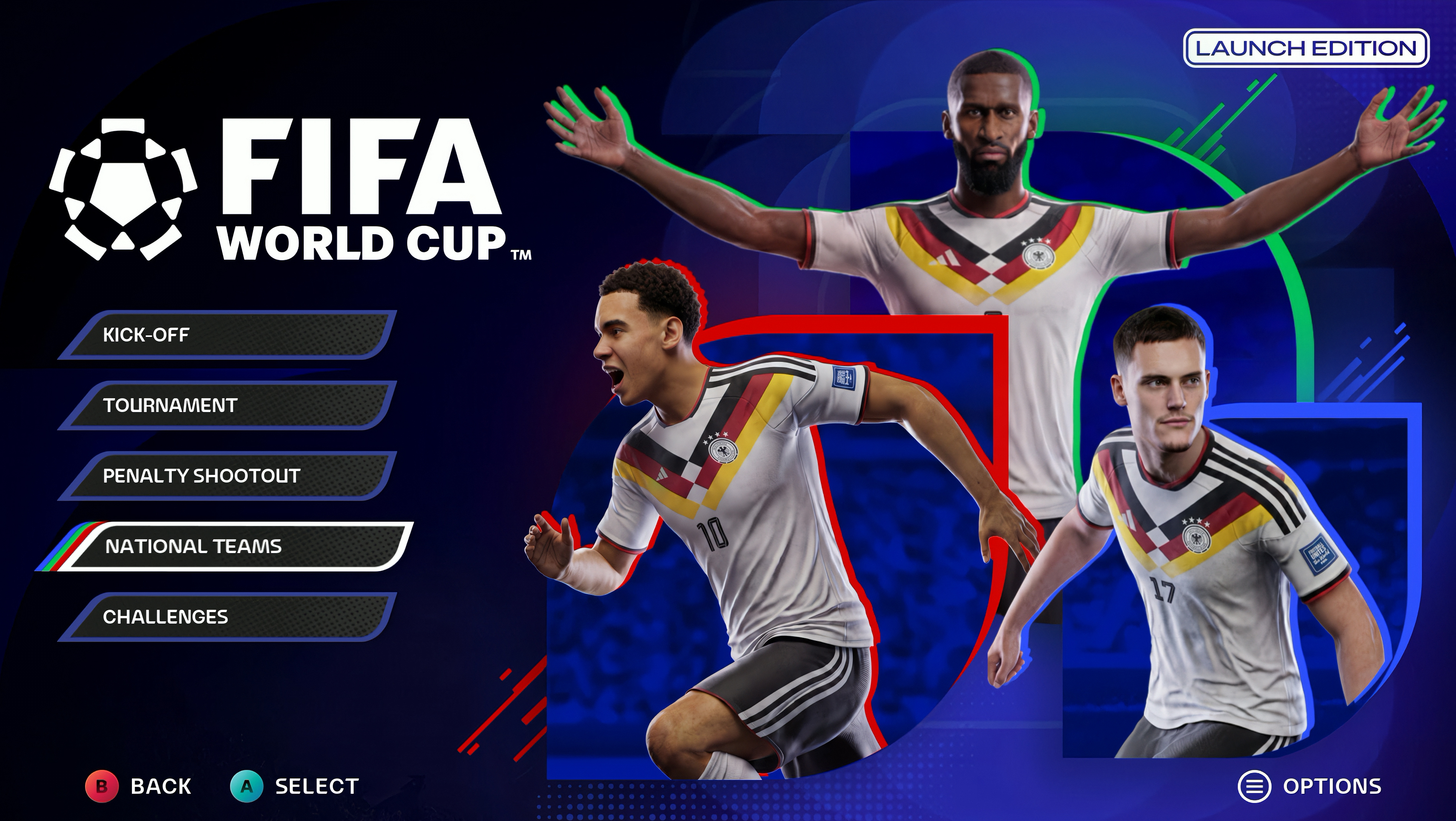
Image Credit: Netflix
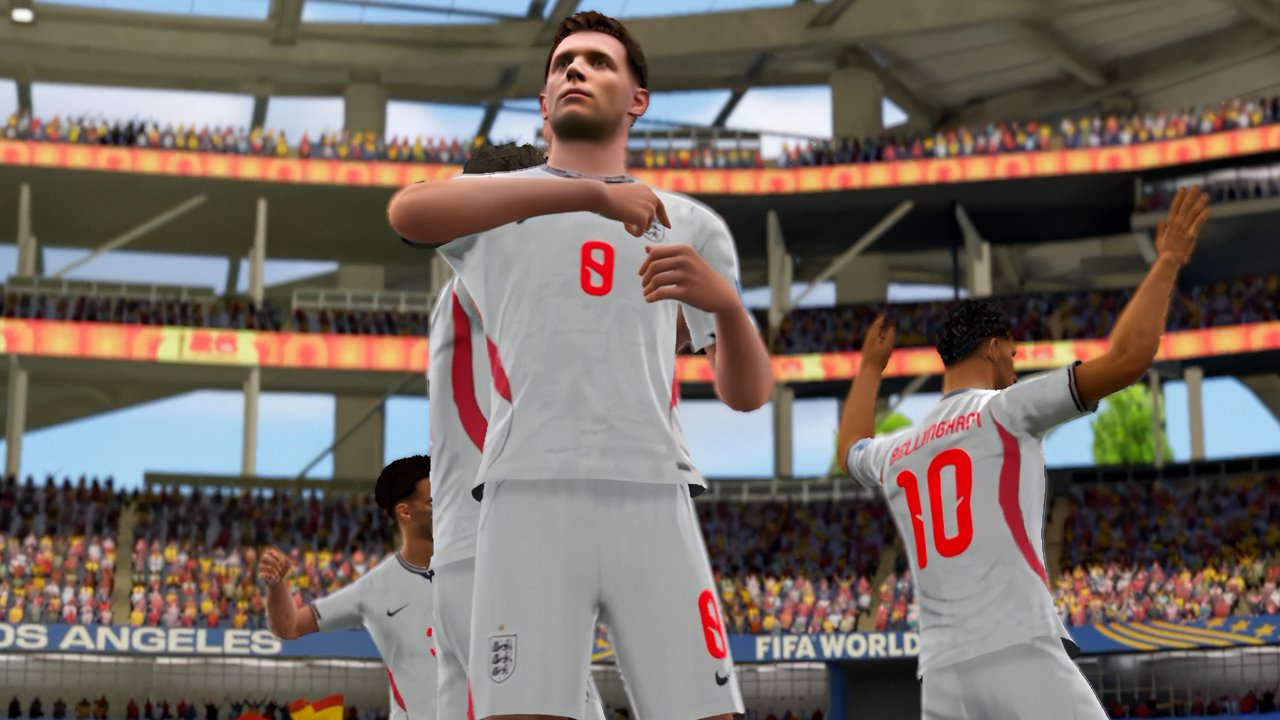
The most immediate and obvious problem with the launch version is the graphics and presentation. The menus are drab, and the actual games themselves generally feel like an oversaturated mix of football-like colors that almost fit into a football pitch. Its messiness and obnoxiousness comes from attempting to emulate a realistic football sim like EA FC but without the budget, time, or hardware to achieve it. Football fans will be familiar with great mobile games of the past, like New Star Soccer and Score Hero, games with very crude graphics that were forgivable due to the game’s unique perspective and the fact that the name of the biggest sporting organization on the planet was not attached to it. Those games created fun gameplay loops with their limited resources. The launch version ended up being a poor version of EA FC.
The launch version’s messy graphics don’t have much of an impact on the gameplay as it moves too slowly for you to understand what’s going on. There is no opportunity for a quick pass and all the players seem to run at the same leisurely pace. This means that there is little scope for variation in playing styles. Once you find a way to win, you repeat it in every game, no matter what. An example of this is the lack of structures available in the game; There are only eight ways to set up teams.
There is also less variation available in the game’s controls. The launch version requires two screens to play: one your TV or laptop, the other your phone, which uses the Netflix Controller app. There’s an analog cursor for your left thumb and a touch-sensitive square for your right thumb. The limitations of this control scheme are already obvious. Squirting, passing and shooting are easy enough, if you really get into the game you can complete the odd cross, lob and skill move (you seemingly have no control over this), but it all feels spontaneous and unresponsive.
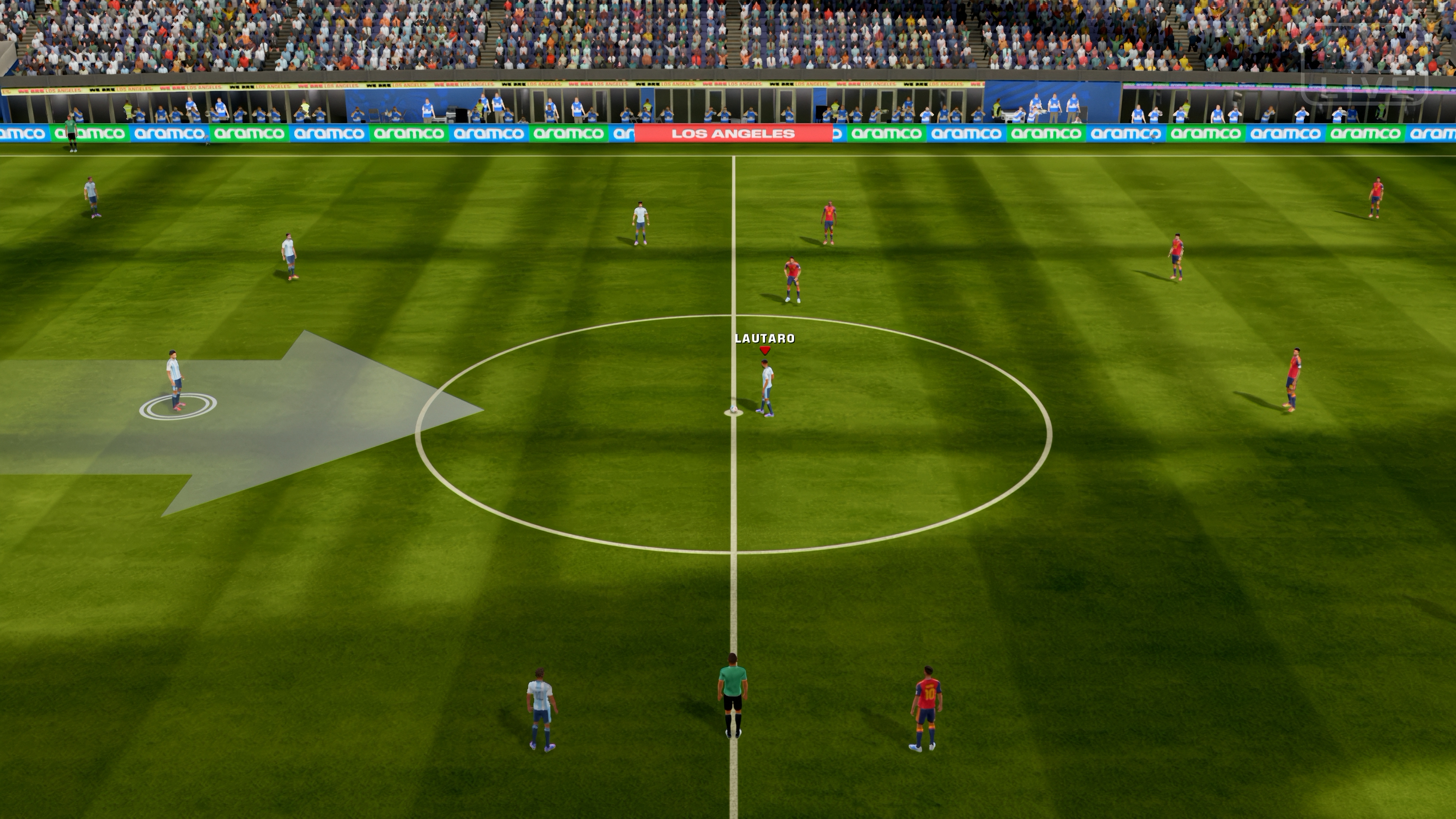
Image Credit: Netflix
Having the freedom of a touch screen is at odds with how limited the launch version actually runs. If you want to get closer, you tap the screen. It automatically sends the ball to a predetermined highlighted player. But if you want to pass to a player that the game has not selected for you, you will have to physically dribble past them until the game identifies them as the best option. This is just one way in which control is difficult.
The game’s smaller details are also incredibly frustrating. The commentary of the matches seems strangely out of sync with what’s happening in the game, in a way you might not have expected from a FIFA game 20 years ago. It’s a small detail, but it cheapens the experience of receiving the ball in midfield and the comms shouting as if you’re about to score a goal.
One mechanic that makes the launch version resemble a video game is an upgrade system, where using coins earned by completing challenges in each match, you can increase a specific player’s stats. However, the actual gameplay is not deep enough for any of these changes to make a significant difference to the actual gameplay. All your tasks seem to be laid out for you, so what’s the point in enhancing a player’s short pass situation?
I played the Launch Edition sitting right next to my Xbox controller and I couldn’t help but think “Why am I not just playing the real thing?” The launch version wouldn’t feel like such a disaster if it didn’t openly invite comparisons with EA FC by not only using the FIFA license, but also by trying to be a realistic football simulator. Without the budget to add any depth, you end up with a bunch of systems that just aren’t improved upon over the games you already have.
Anyone interested in football video games isn’t playing the launch edition without already owning EA FC. By this point in the season, it has already been heavily discounted several times and has been added to streaming services like Xbox Game Pass, PS Plus, and Amazon Luna. Right now, the game costs £20 on the Xbox Store. Having the game on Netflix doesn’t make it more accessible to the target audience.
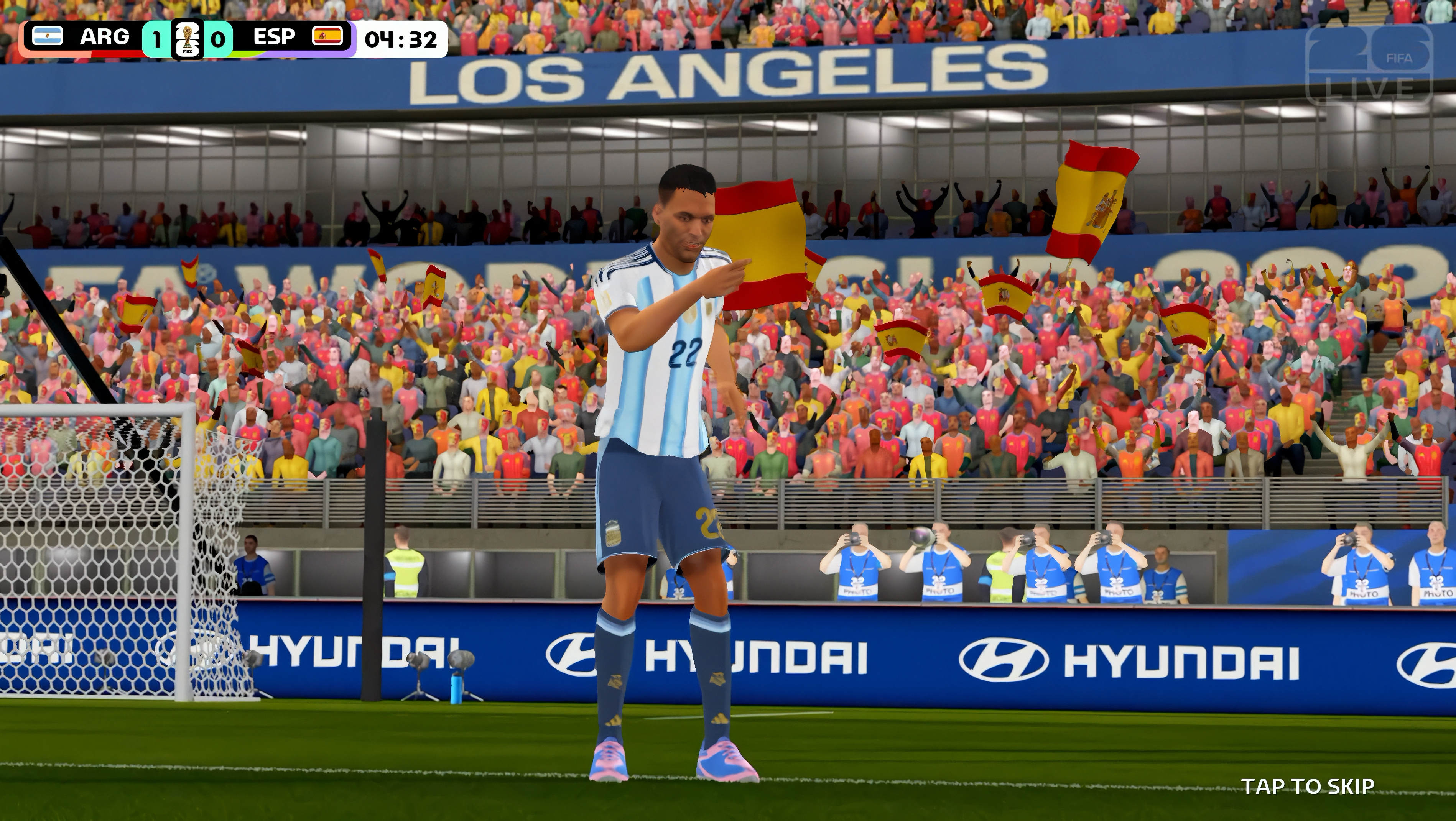
Image Credit: Netflix
The launch edition is a misguided attempt at a AAA title, when it would have been far more endearing as an emulation of the classic mobile games football fans actually enjoy. It was clearly created with limited resources, and the developers were clearly not given enough support to pursue their passion and ideas. If FIFA is truly committed to becoming a beloved institution again, maintaining the integrity of the game, providing fans and players the best possible experience, and providing a true competitor in the football sim genre, then the solution is simple – care more.